
ISEE Vision Blog
Industrial AI Vision — Field Deployments, Safety Engineering, and Product Insights
Explore case studies, technical explainers, and operational safety guides from the ISEE Vision engineering team. Updated regularly with insights from active deployments across manufacturing, logistics, and energy sectors.
April 30, 2026
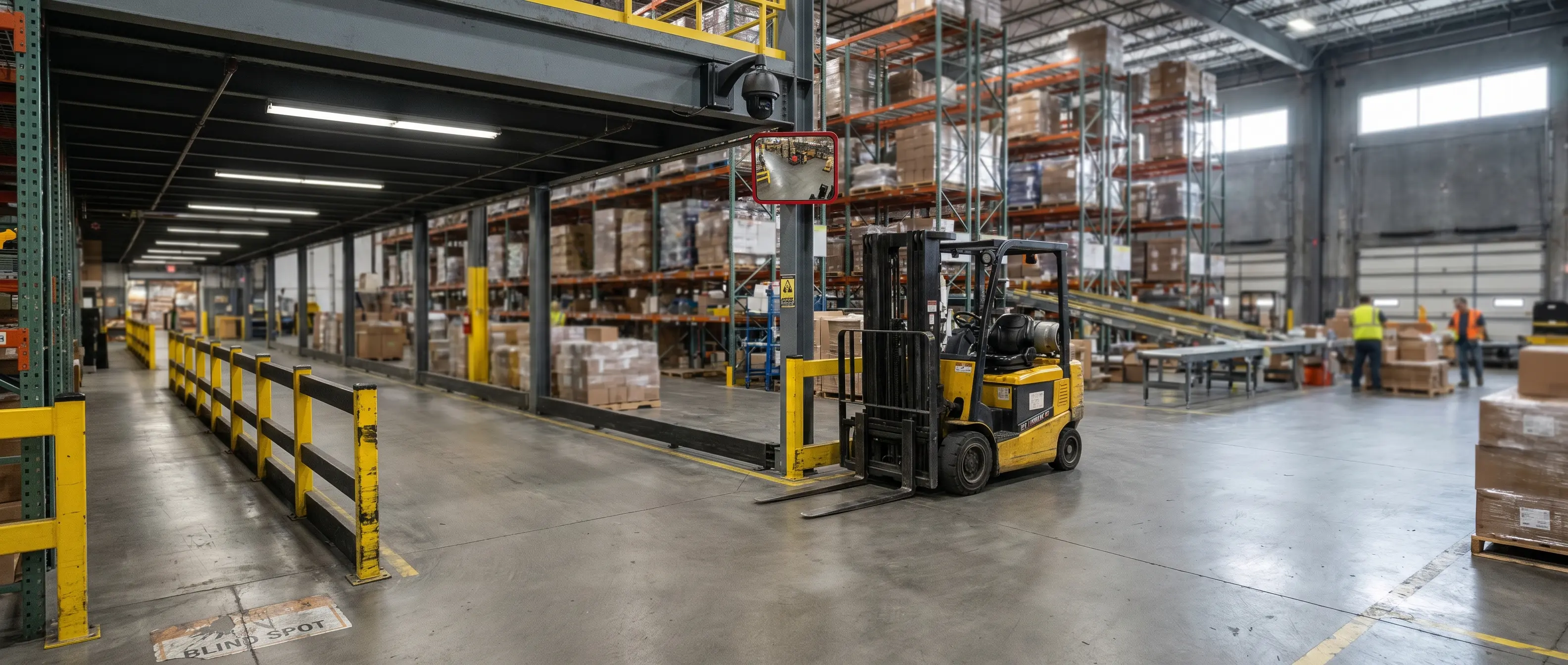
Blind spot detection in industrial areas: AI vision vs. traditional methods
Choosing blind spot detection for industrial areas? Compare mirrors, ultrasonic, UWB, LiDAR, and Edge AI cameras on latency, coverage, and tagless protection.
April 30, 2026
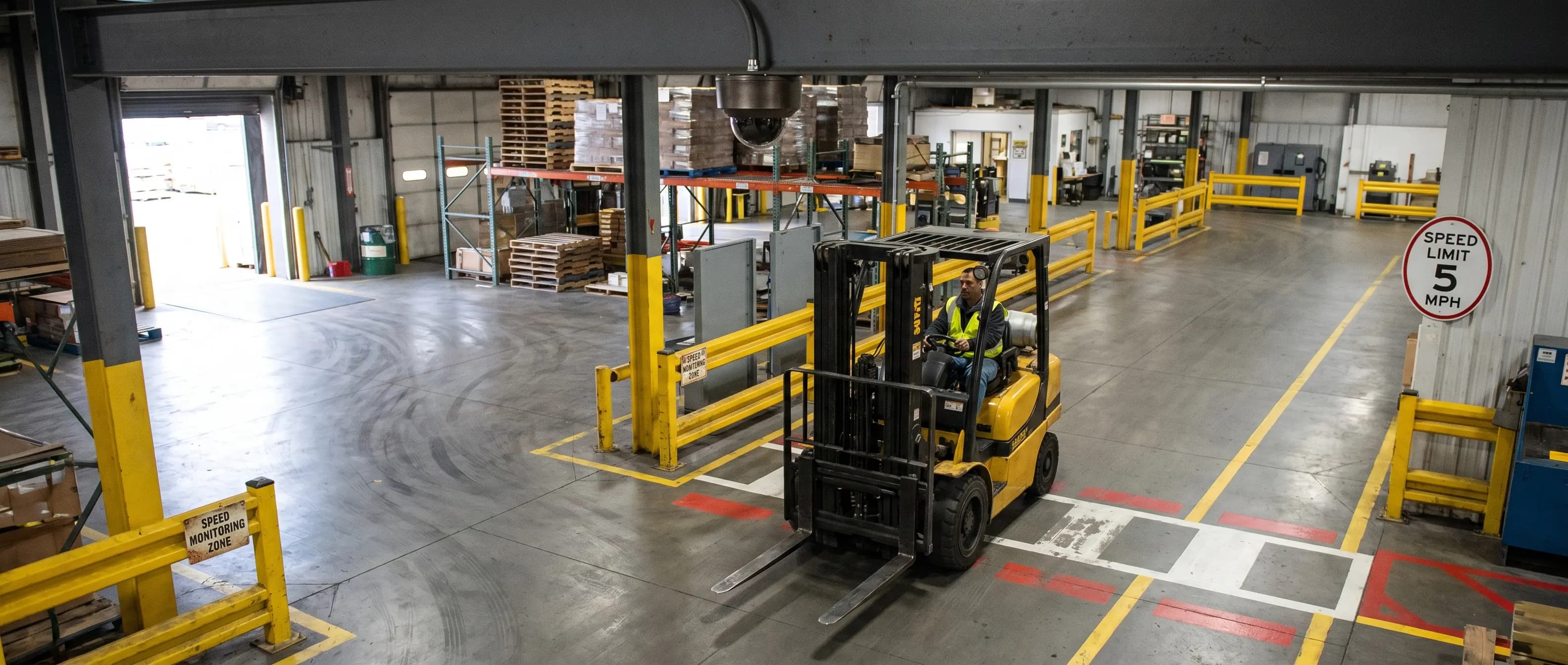
Vehicle speed detection in industrial areas: a technology guide for EHS teams
How does vehicle speed detection in industrial areas actually work? Compare speed limiters, geofence zones, and AI cameras. Schedule a free assessment today.
April 30, 2026
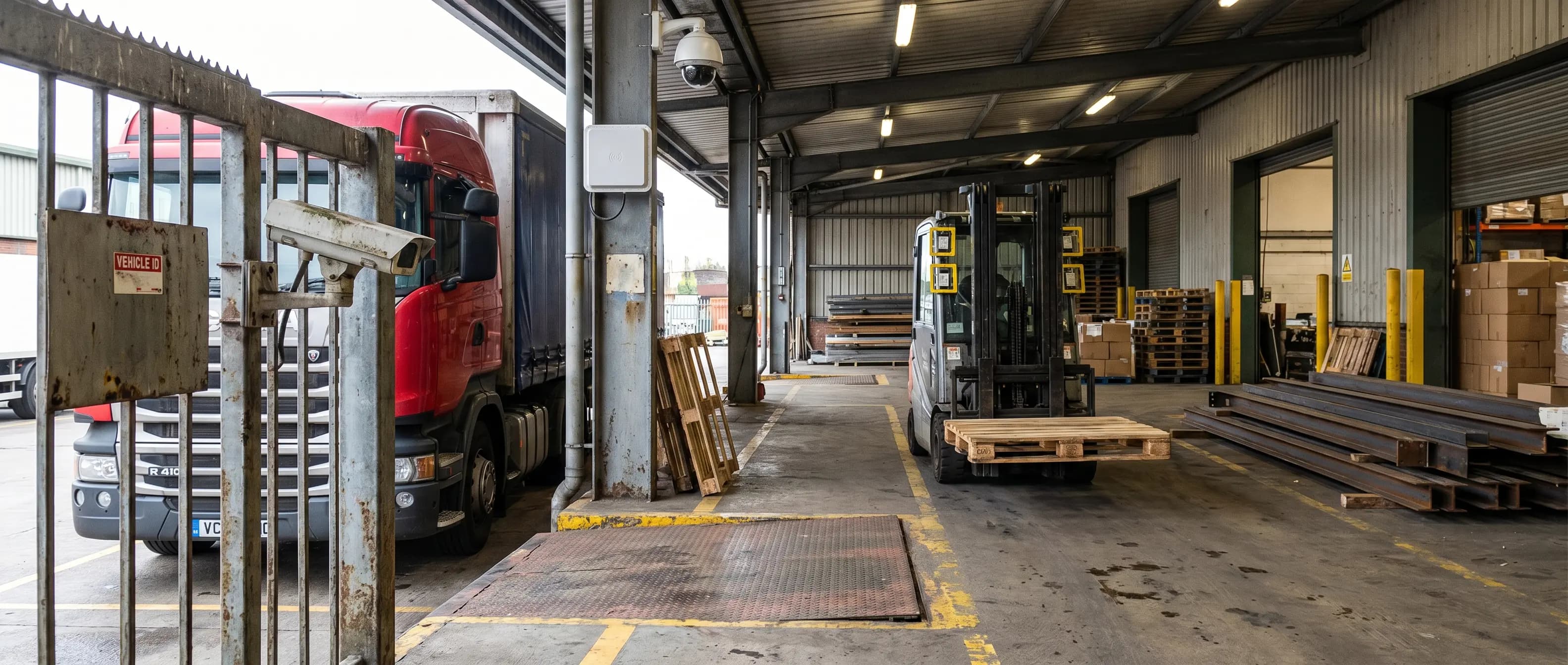
Vehicle identification in industrial areas: ANPR, RFID, and AI vision compared
Vehicle identification in industrial areas isn't one technology, it's three layers. Compare ANPR, RFID, and AI vision. Schedule a free site assessment.
April 30, 2026
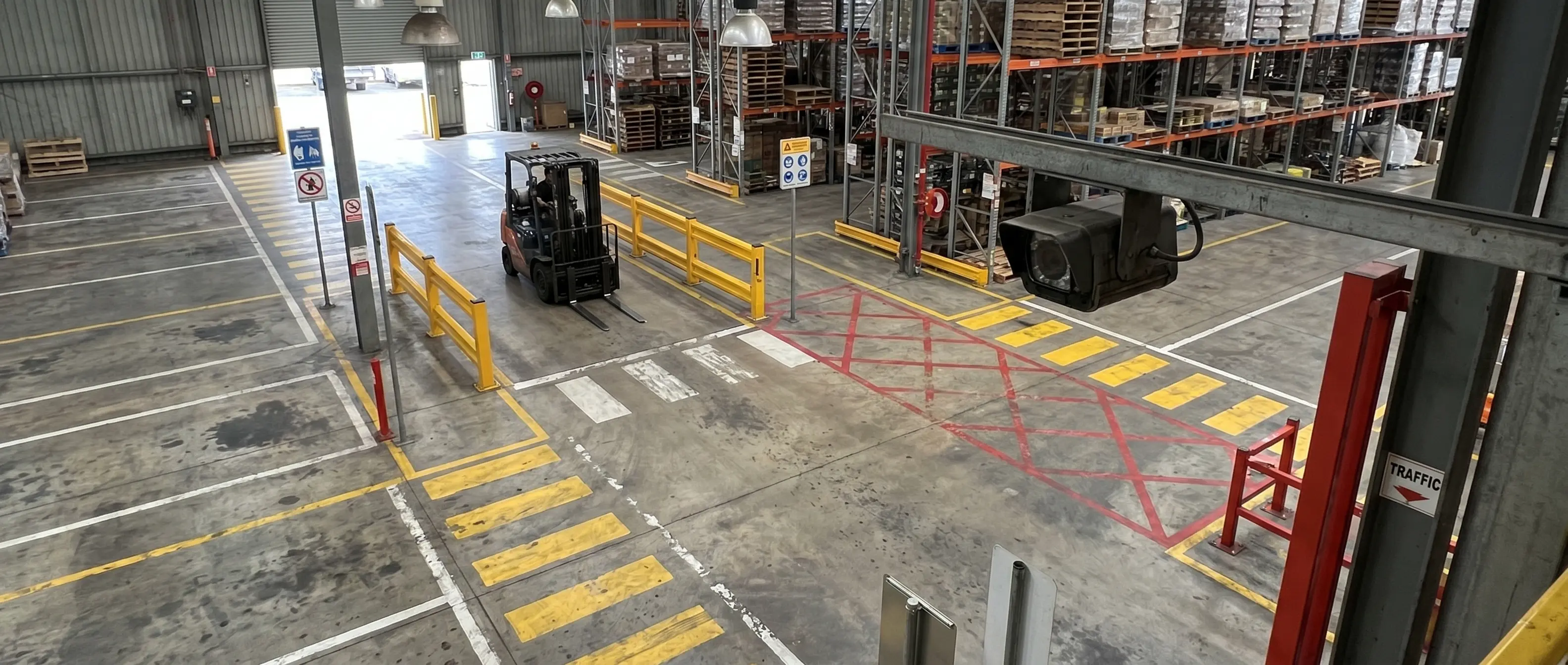
Traffic management in industrial areas: a layered-defense guide
How does traffic management in industrial areas work? Build a layered-defense plan with segregation, speed control, and AI cameras. Get a free assessment.

February 24, 2026
ROI of AI Safety Systems for Manufacturing: A Complete Cost-Benefit Analysis Framework
Build the AI safety business case: quantify incident savings, insurance reductions, and productivity gains with our manufacturing ROI framework.

February 24, 2026
AI Safety for Logistics and Warehousing: Preventing Accidents in Fast-Paced Environments
Forklift collision prevention, dock safety, and PPE compliance for warehouses and logistics facilities. See how AI monitoring protects workers 24/7.

February 24, 2026
Steel Mill Safety with AI Vision Systems: Protecting Workers in the World's Most Hazardous Industry
How AI vision systems protect workers in steel mills — from crane proximity alerts to PPE compliance monitoring. Reduce incidents, ensure ISO 45001 complianc...

February 24, 2026
Edge AI Processing vs Cloud-Based Safety Systems: Performance, Privacy, and Cost Comparison
Compare edge AI vs cloud safety systems on latency, privacy, cost, and reliability. Find the right architecture for your industrial facility.

February 24, 2026
AI Safety Solutions for Automotive Manufacturing: Protecting Assembly Line Workers
How AI safety solutions for automotive manufacturing protect workers from robots, press machines, and paint booth hazards — with real deployment data.

February 24, 2026
AI-Powered Industrial Safety Systems: Complete Guide to Detection, Prevention & Compliance
Comprehensive guide to AI-powered industrial safety systems: how computer vision prevents accidents, ensures compliance, and protects workers.

February 19, 2026
PDPL and Industrial Camera Usage: A Compliance Guide
PDPL compliance guide for industrial AI camera systems, data privacy requirements, and the privacy advantages of Edge AI.

February 15, 2026
Light Curtain or AI Camera? Comparing Press Machine Safety
A detailed comparison of light curtains and AI camera safety systems for press machines. Hand detection, muting challenges, and bypass risks analyzed.

February 11, 2026
UWB vs AI Camera: Which Technology for Forklift Safety?
UWB tag-based systems vs AI camera solutions for forklift-pedestrian collision avoidance. Cost, installation, and effectiveness compared.

February 07, 2026
AI Camera vs Traditional Safety Sensors: Which Is More Effective?
Technical comparison of AI cameras vs light curtains, laser scanners, and UWB systems. A guide to choosing the right safety solution.

February 03, 2026
AI in Workplace Safety: The 2026 Guide
How AI technologies are transforming industrial workplace safety, the advantages of AI camera systems, and ROI analysis.

January 30, 2026
Occupational Accidents and Industrial Safety in Turkey (2025 Data)
A review of why occupational accidents remain high in Turkey based on 2025 data and how AI-powered camera systems deliver preventive safety in industrial environments.

January 22, 2026
Preventive Measures for Overhead / Bridge Cranes
A practical overview of the risks around overhead and bridge cranes, the limits of traditional safeguards, and how AI-powered camera systems can prevent incidents before they happen.

January 13, 2026
Why do accidents occur in dangerous industrial machines?
A clear and data-driven analysis of why accidents still occur around dangerous industrial machines, despite conventional safety measures. This article explains the hidden limitations of sensor-based protection systems and demonstrates how AI-powered camera technologies deliver a fundamentally safer, more reliable, and production-friendly approach. By focusing on continuous area monitoring, manipulation detection, and limb-level risk analysis, it shows how modern facilities can prevent accidents before they happen—without sacrificing efficiency.

January 12, 2026
Current Regulations on Data Protection and Management in Artificial Intelligence Solutions
This blog post discusses the current regulations in force regarding data security and management in artificial intelligence solutions. By explaining GDPR, KVKK, and ISO/IEC 42001 standards in their basic aspects, it clearly and concisely highlights why personal data protection, ethical AI management, and legal compliance processes are critical for organizations.

January 12, 2026
How Does Artificial Intelligence Contribute to Personal Protective Equipment (PPE) Detection?
This blog post explains how artificial intelligence plays an effective role in Personal Protective Equipment (PPE) detection and its contributions to occupational health and safety processes. It describes how ISEE-CAM’s AI-based object detection technology enables automatic monitoring of PPE usage, instant alerts in cases of missing or incorrect equipment, and the creation of safer and more sustainable working environments to prevent workplace accidents.

January 12, 2026
Forklift Safety Solutions to Ensure Occupational Health and Safety
This blog post discusses the main causes of forklift accidents in industrial environments and examines the impact of driver negligence and rule violations on occupational health and safety. It explains how ISEE-CAM’s advanced computer-vision-based forklift safety modes (Modes 4–17) prevent accidents through human, vehicle, and zone detection solutions and improve safety in working environments.

January 09, 2026
Anomaly Detection with Computer Vision and Industrial Applications
This article comprehensively explains the importance, application areas, historical development, and technical approaches of computer-vision-based AI anomaly detection in industrial production lines, highlighting its advantages in time, cost, and reliability for quality control processes.
July 08, 2025
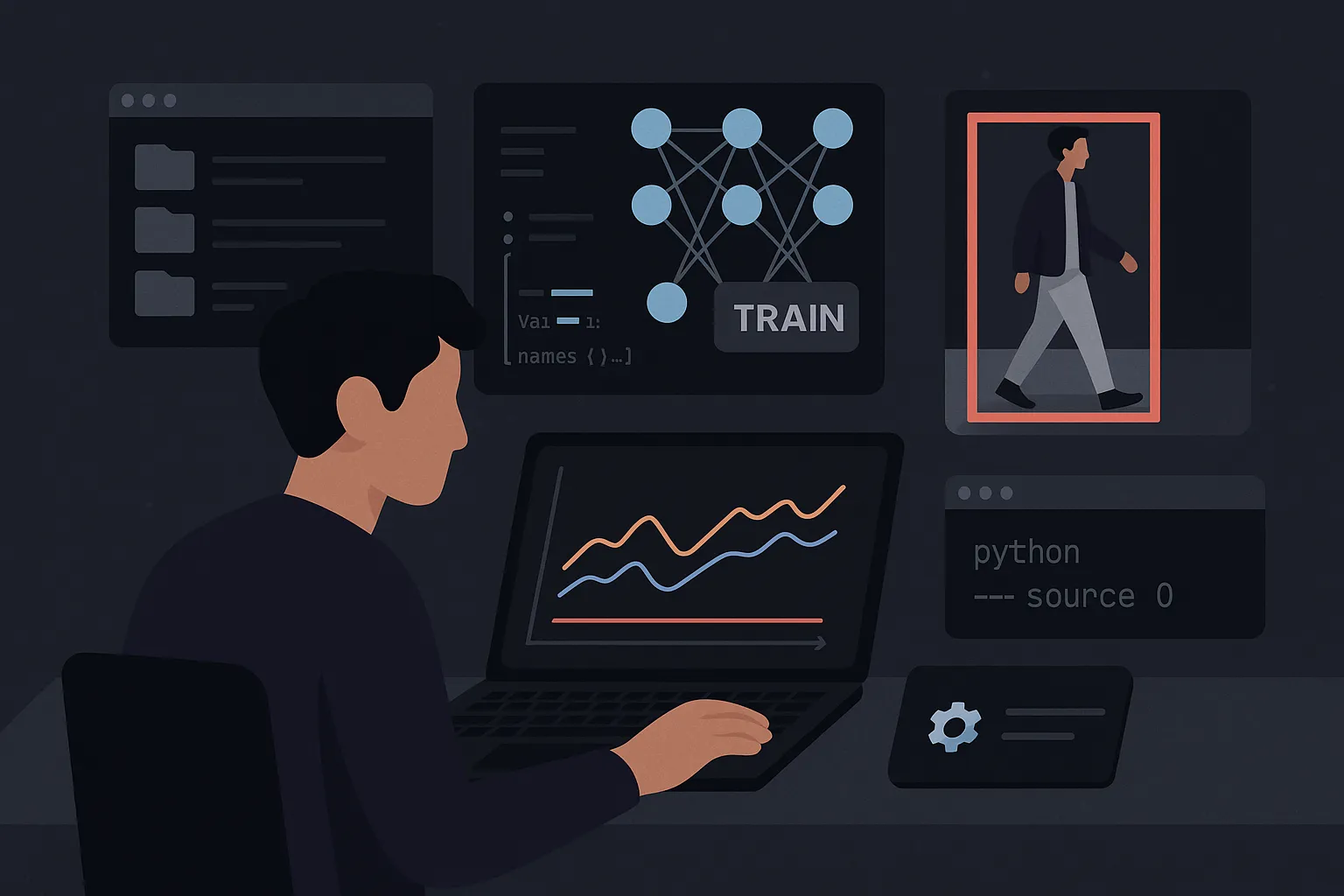
Object Detection with YOLOv5 Based on Deep Learning Data Preparation, Training, and Real-Time Inference
This article provides a detailed guide to deep learning-based object detection using the YOLOv5 algorithm. It covers every step from preparing the data.yaml file and selecting the model to configuring training parameters and interpreting training output graphs. The real-time inference process is also explained with example commands.

July 07, 2025
Dataset Creation and Labeling Process for YOLO A Step-by-Step Guide
This article provides a detailed explanation of the dataset creation and labeling process required for object detection using the YOLO algorithm. It covers the importance of collecting quality data, the use of labeling tools, the structure of the YOLO format, dataset splitting (train/valid/test), and methods to prevent overfitting with examples.
July 06, 2025
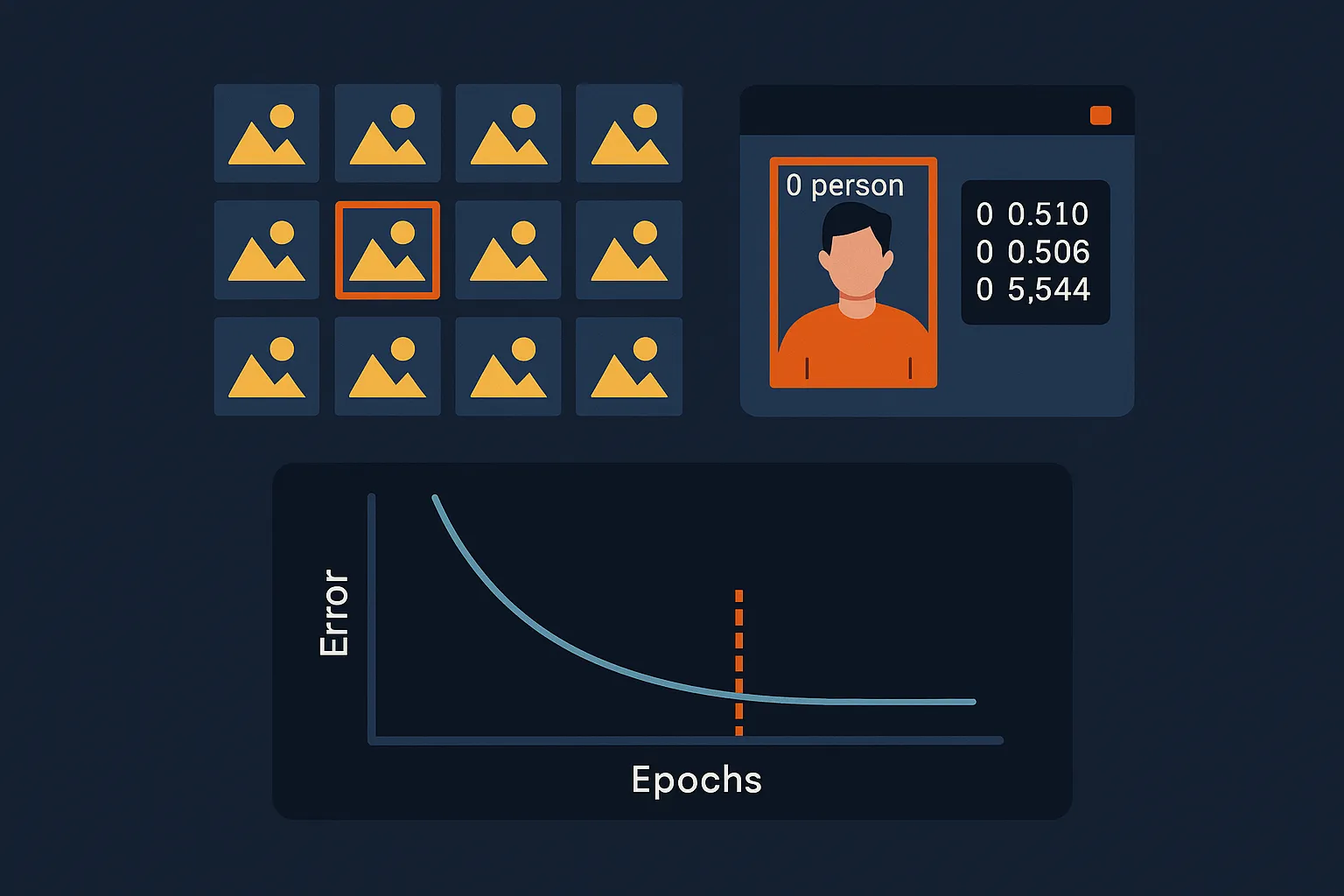
Computer Vision and Object Detection Fast and Accurate Solutions with the YOLO Algorithm
This article thoroughly explores the concept of computer vision, the object detection process, and commonly used algorithms. It provides a step-by-step explanation of how the YOLO algorithm works, how bounding boxes are generated, and how confidence scores are calculated, along with comparisons to other algorithms.
May 30, 2025
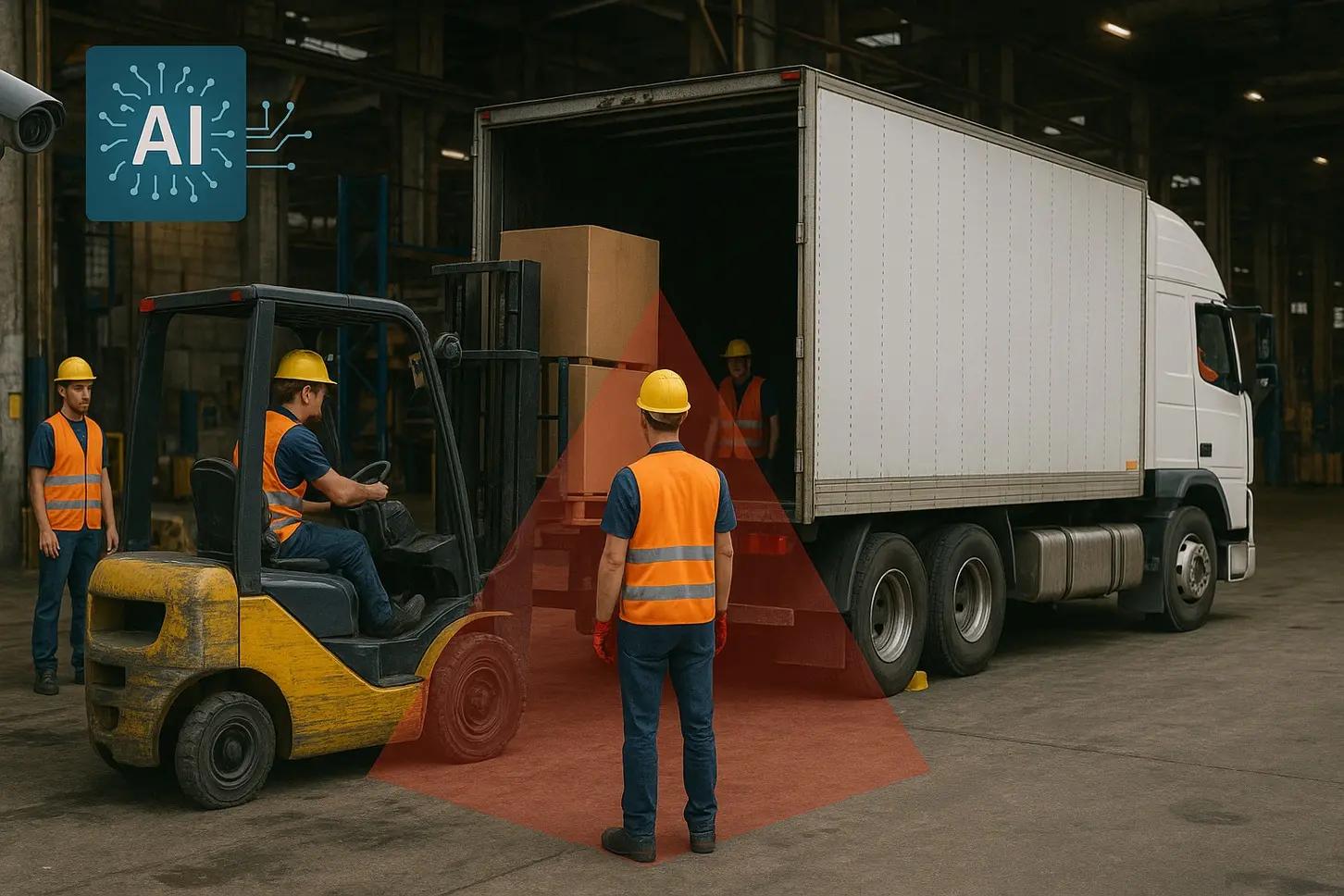
Accidents in Logistic Vehicle Loading Areas and Prevention Methods via Artificial Intelligence
This blog analyzes the causes of workplace accidents in logistics loading zones and explains how computer vision systems can be used to prevent them.
April 24, 2024
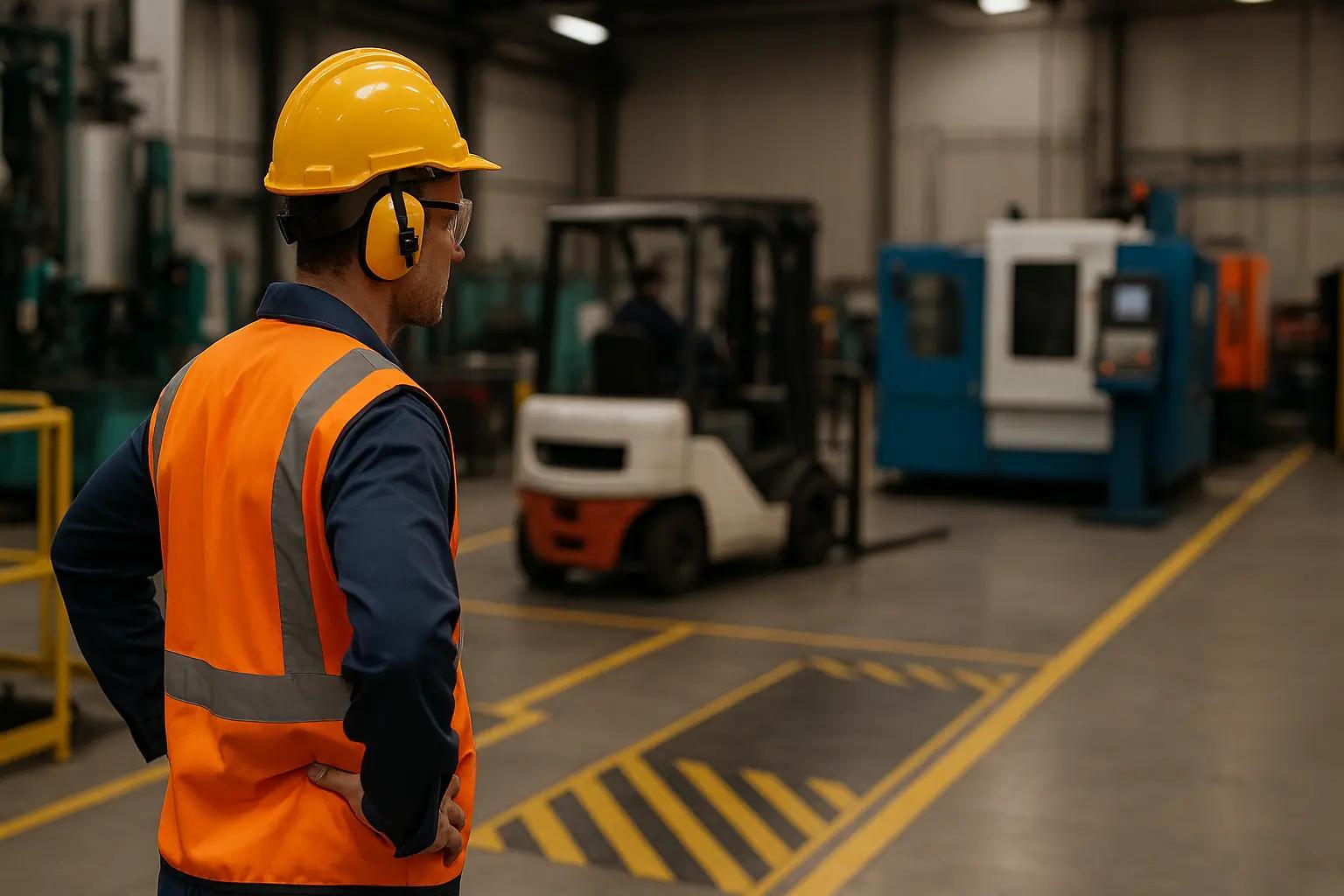
Workplace Safety Measures in Factories
This blog outlines essential factory safety protocols, emphasizing the importance of AI-assisted systems in reducing accidents and enhancing productivity.
July 01, 2024
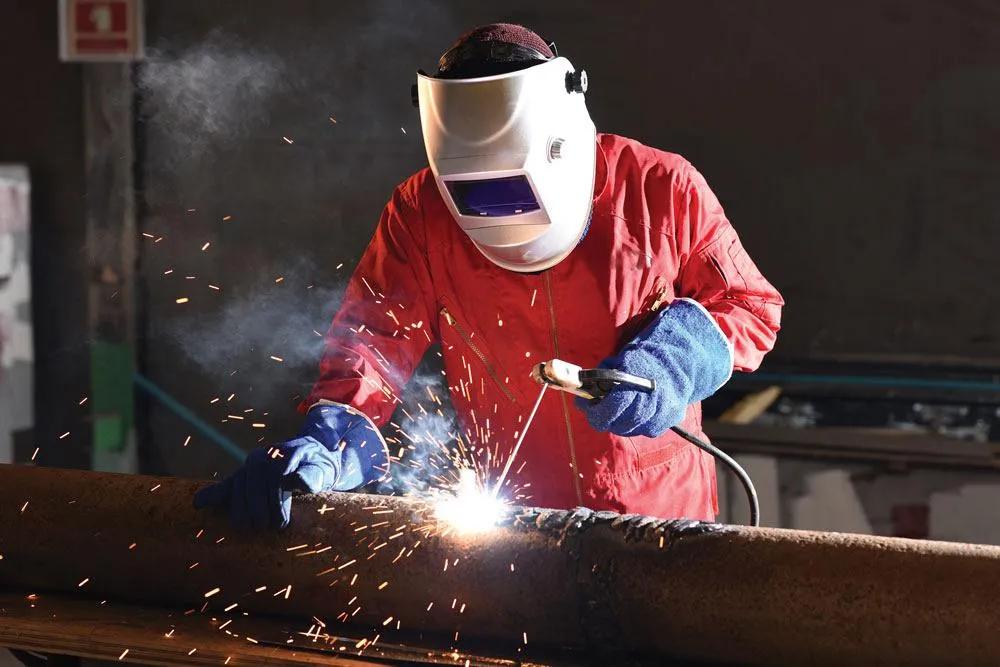
Safety Measures for Welding Machines
Welding operations are on the rise, and so are occupational accidents. From small shops to industrial giants, welding safety is critical.
July 02, 2024
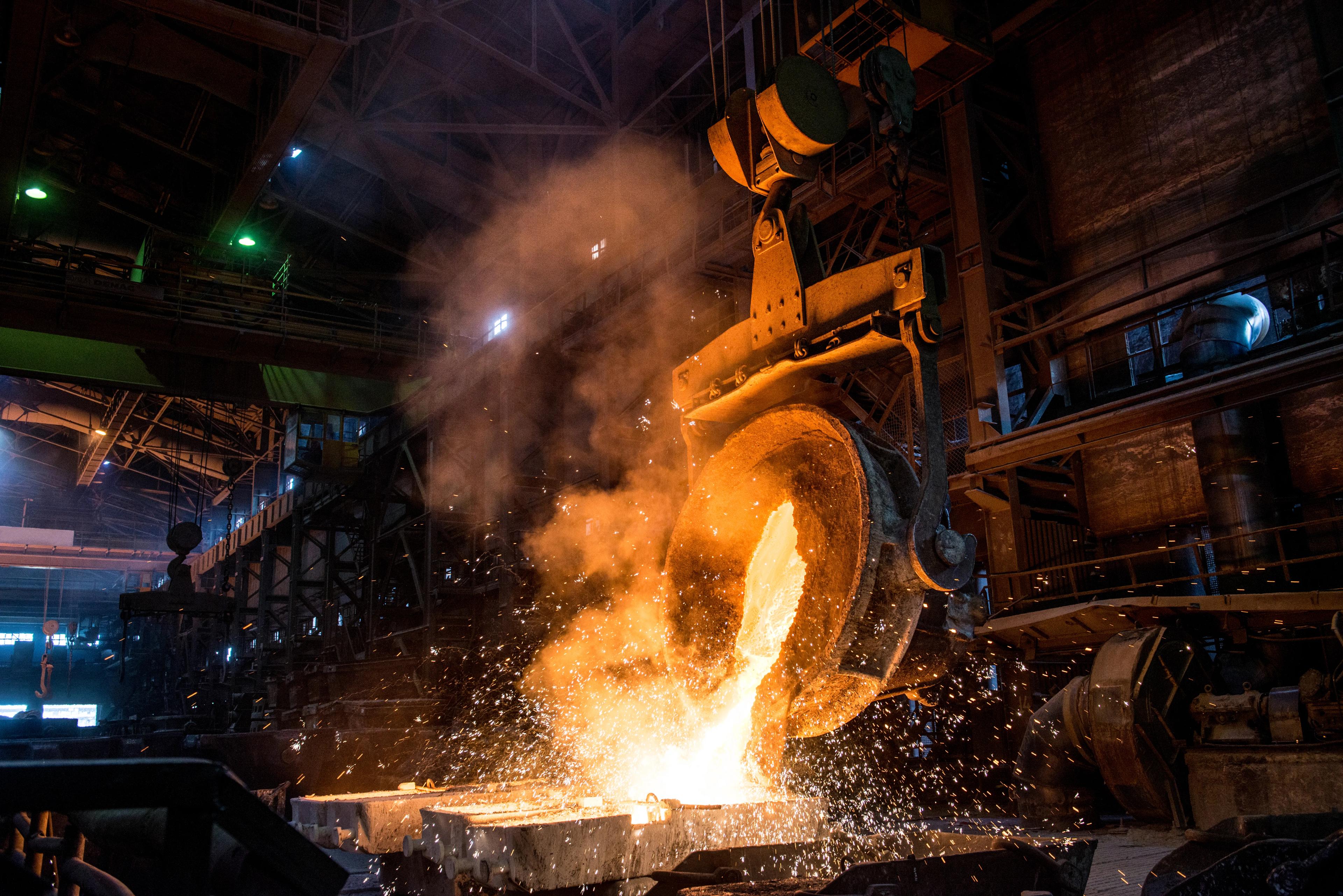
Occupational Health and Safety in the Steel Industry
The steel industry is one of the heaviest production industries. Massive metal blocks are moved and melted by giant machines.

July 01, 2024
MQTT Communication Protocol
The MQTT protocol was developed in 1999 for the oil and gas industry. Engineers needed a protocol that consumed minimal bandwidth and energy for monitoring pipelines via satellite.